
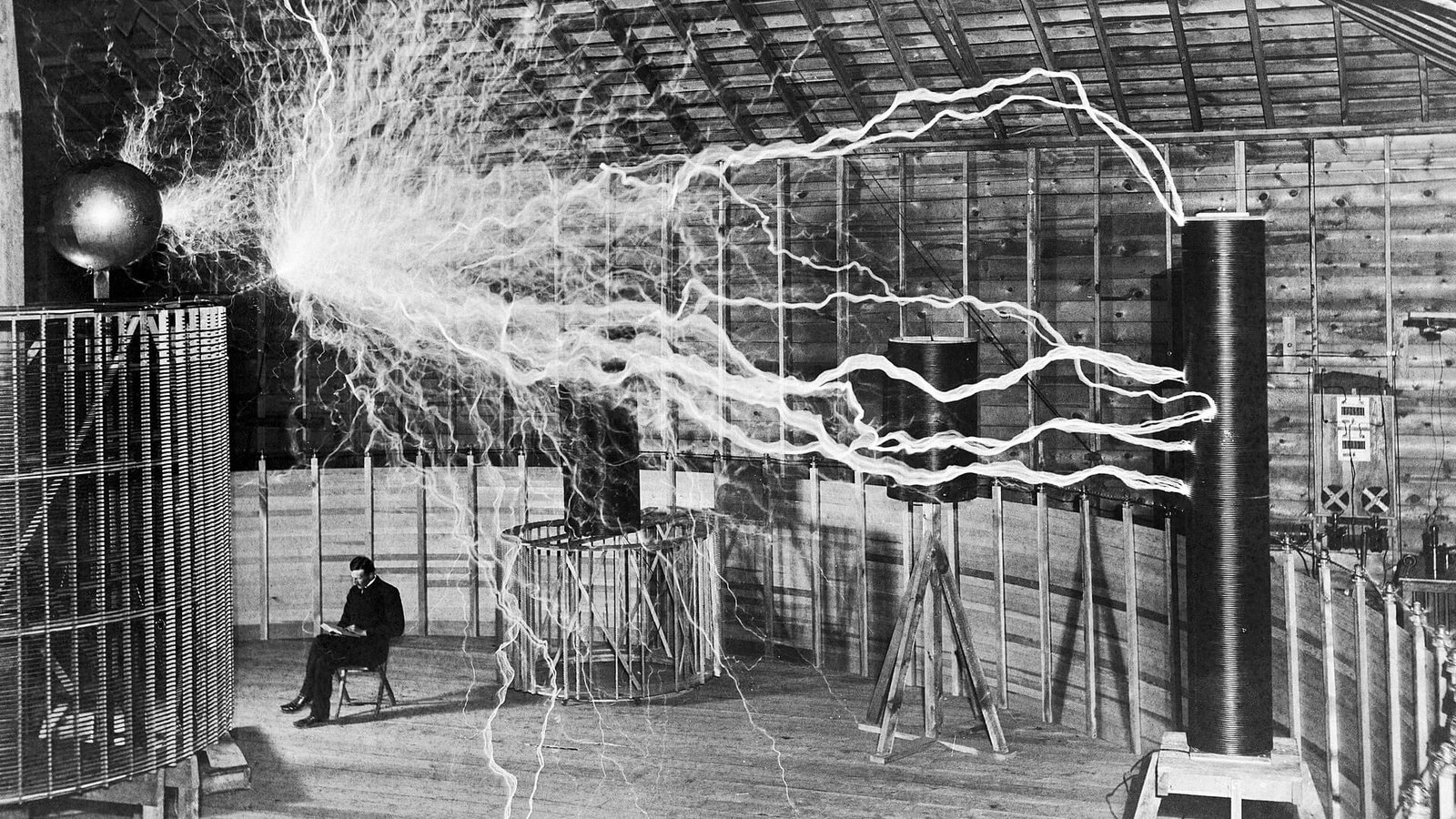
Belgrade - Today, 10 July 2026, marks the 170th anniversary of the birth of Serbian-American scientist and inventor Nikola Tesla, one of the greatest minds in the history of science. Tesla was born on 10 July 1856 in Smiljan, into a Serbian Orthodox family. His father, Milutin, was a Serbian Orthodox priest, while his mother, Georgina (Đuka), came from a family with a long clerical tradition. After working in Europe, he moved to the United States in 1884, where he achieved his greatest scientific breakthroughs. He is best known for developing the modern system of transmission and distribution of electrical power using alternating current, and between 1887 and 1890 he filed a series of patents that laid the foundations for the modern electrical power system.
In August 2010, the Government of the Republic of Serbia adopted a decision to mark 10 July, Nikola Tesla’s birthday, as Science Day in Serbia. On this occasion today, the Prime Minister of the Republic of Serbia, Prof. Dr Đuro Macut, extended his greetings to all scientists, researchers, professors, students and employees of scientific research institutions: “Science Day and the 170th anniversary of the birth of Nikola Tesla, one of the greatest minds in the history of mankind, are an occasion to pay tribute to all our scientists who, with their knowledge, dedication and innovation, contribute to the development of Serbia and the progress of the entire society” Prime Minister Macut said, according to a statement from the Office for Media Cooperation of the Government of the Republic of Serbia.
Nikola Tesla visited Belgrade only once, in June 1892, when he was received by Serbian King Aleksandar Obrenović. He died on 7 January 1943, on Orthodox Christmas Day, at the age of 86, in Suite 3327 on the 33rd floor of the New Yorker Hotel, where he lived. In 1951, Tesla’s personal belongings were transferred to Belgrade, and four years later the Nikola Tesla Museum was opened. The museum houses numerous personal items belonging to Tesla, documents, and the urn containing his ashes. Located in the Serbian capital, the museum attracts a large number of visitors from Serbia and abroad every year.